

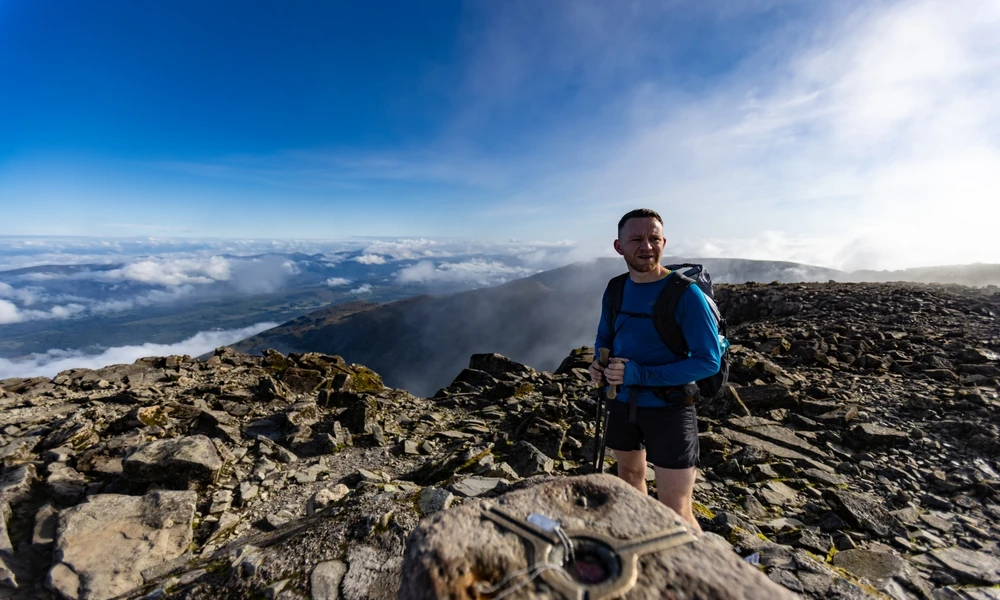
It’s a thrilling objective to reach the top of Britain’s tallest peak, but the experience is much more than just walking a certain distance. Even for those who often walk outside, the mountain may be challenging due to long stretches of climb, uneven terrain, changing weather, and prolonged physical exertion. Both the amount of energy left for a controlled descent and whether a walker reaches the peak comfortably may be influenced by fitness and reasonable pace.
Developing Fitness For Long-Term Climb
The ascent is continuous, which is one of the most physically taxing aspects of climbing Ben Nevis. A significant mountain trek requires consistent exertion over many hours, in contrast to a short, steep slope that enables the body to recuperate rapidly thereafter. Cardiovascular fitness makes it easier for the heart and lungs to effectively provide oxygen to working muscles, which may aid with continuous uphill activity.
Cardiovascular conditioning may be enhanced by walking, jogging, cycling, and swimming. However, since hill walking exposes the body to extended ascent, it offers very helpful preparation. Walkers may better grasp how their respiration and energy levels react to steeper hills by practising on a variety of grades.
Building Up Your Mountain Terrain Strength
Mountain preparedness involves more than just cardiovascular conditioning. Over uneven and rocky terrain, the body must constantly be supported and stabilised by the legs, hips, and core. In addition to improving climbing efficiency, strong quadriceps, calves, hamstrings, and glutes may provide crucial assistance throughout the descent.
For those getting ready for the 3 Peaks Challenge UK, where athletes must climb several significant mountains on a tight timetable, this is extremely crucial. Muscles may be prepared for repetitive uphill and downhill movement via strength training exercises including squats, lunges, step-ups, and controlled stair climbing.
If weight and distance are steadily increased, using a rucksack for training may also be beneficial. This enables the body to become used to carrying food, clothes, water, and other climbing gear.
Finding A Sustainable Walking Pace
One of the simplest ways to squander energy on a mountain is to start too fast. Walkers may match quicker groups or push harder than usual if they are initially excited. The issue may not be readily apparent. However, early overexertion might cause heavy legs and decreased focus after an hour or two.
Instead of feeling hurried, a sustainable pace should seem regulated. Walkers should strive for a rhythm that they can sustain for a long time without often pausing to rest. Frequent extended rests that enable muscles to chill and make resuming painful may not be as beneficial as short, deliberate intervals.
A helpful indicator of whether the tempo is suitable is breathing. Slowing down might help someone save energy for later parts of the walk if they start to feel quite out of breath.
Getting Ready For More Than Just The Ascent
The trip doesn’t end with reaching the top. Walkers still need enough mental and physical stamina to safely descend. Different demands are created while travelling downhill since the knees and ankles absorb repetitive impact as the muscles strive to manage each step.
Anyone who has Climbing Scafell pike may already be aware of how exhausting descending may be due to rough mountain terrain. Therefore, rather than concentrating only on uphill fitness, training should include downhill walking. Controlled descents assist in enhancing balance on uneven terrain and build muscular endurance.
Supporting Your Pace With Food And Hydration
Fitness cannot make up for poor hydration or diet permanently. A consistent energy source is necessary for mountain trekking, especially on lengthy days with thousands of steps and significant elevation gain.
Frequent modest meals may assist in sustaining energy levels without causing the pain that comes with a large meal. Sandwiches, fruit, almonds, energy bars, and other things that are comfortable for the walker to carry might be appropriate choices.
Before weariness or thirst become serious, water consumption should also be taken into account. Temperature, effort, personal demands, and walking distance all affect how much is needed. Both focus and physical performance may be supported by regular hydration.
Enhancing The Pleasure Of The Mountain Experience
Effective pace does not imply walking as slowly as possible, and good fitness does not require rushing for the top. Finding an effective balance that allows the body to function steadily while leaving sufficient energy for the descent, weather, and changing terrain is the goal.
Regular aerobic activity, strength training, hill walking, and practical practice sessions may all help to prepare. This preparation, when paired with reasonable energy management and careful pacing, enables walkers to focus less on fatigue and more on the scenery, challenge, and joy of finishing an unforgettable mountain adventure.