

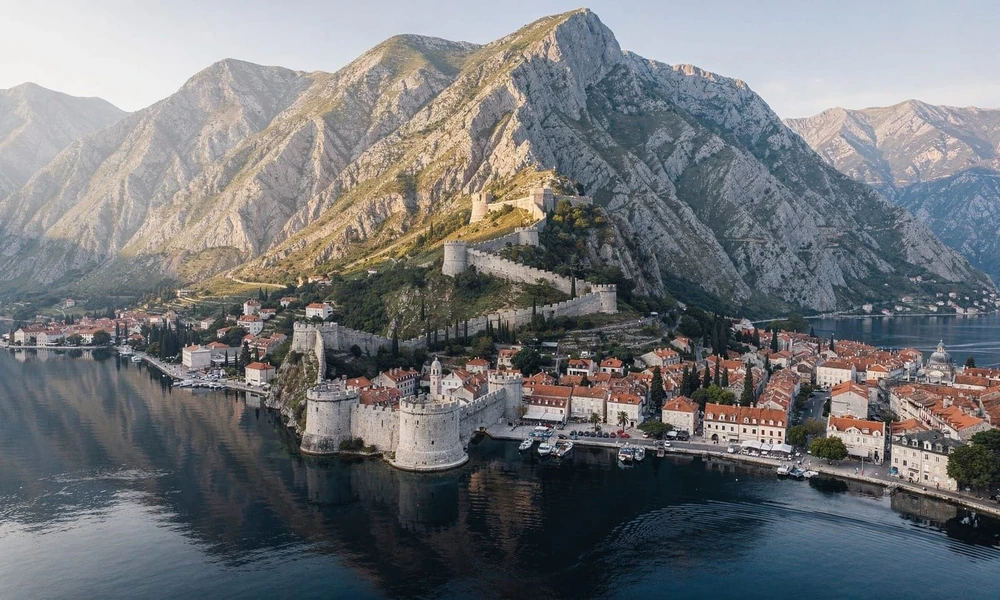
The eastern shore of the Adriatic Sea is lined with stone towns that look almost unchanged from centuries past. Thick defensive walls, narrow marble lanes, and red-tiled roofs set against clear blue water make this stretch of coastline one of the most photogenic in Europe. Three cities in particular, Dubrovnik, Kotor, and Split, stand out for their history and atmosphere.
Each of these towns is compact enough to explore in a day, which makes them popular stops on European cruises and coastal road trips alike. Still, each has its own character. Here is what makes them special and how to enjoy them without feeling rushed.
Dubrovnik: The Pearl of the Adriatic
Dubrovnik, in southern Croatia, is defined by its massive city walls, which wrap around the entire old town. Walking the full circuit offers sweeping views over rooftops, church domes, and the sea.
- Stradun: The main limestone street, polished smooth by centuries of footsteps.
- City walls walk: Best done early or late in the day to avoid heat and crowds.
- Cable car: A ride up Mount Srđ provides a full view of the old town and nearby islands.
Kotor: A Fortified Town in a Dramatic Bay
Kotor, in Montenegro, sits at the inner end of the Bay of Kotor, surrounded by steep mountains. Its old town is a maze of small squares and churches, and its fortifications climb the hillside high above the rooftops.
- Climb toward the fortress for panoramic bay views; the path is steep, so bring water.
- Explore the bay’s smaller towns, such as Perast, with its island churches.
- Keep an eye out for cats, which have become an unofficial symbol of the town.
Split: A City Built Inside a Palace
Split’s historic core grew up inside and around Diocletian’s Palace, built for a Roman emperor around the turn of the fourth century. Today, shops, homes, and cafés occupy the ancient structure, creating a rare blend of Roman ruins and daily life.
- Peristyle: The palace’s central courtyard, framed by ancient columns.
- Substructures: Vaulted cellars beneath the palace that reveal its original layout.
- Riva promenade: A palm-lined waterfront perfect for an evening stroll.
Why These Cities Are Protected
All three historic centers are recognized for their outstanding cultural value. The old city of Dubrovnik, the natural and culturo-historical region of Kotor, and the historical complex of Split with Diocletian’s Palace are each listed by UNESCO World Heritage. That status helps protect the architecture, but it also means preservation rules and visitor management measures may be in place.
Best Time to Visit
- Spring: Mild weather, blooming gardens, and fewer visitors.
- Early autumn: Warm seas and a more relaxed pace after summer.
- Summer: Lively and festive, but hot and crowded at midday.
- Winter: Quiet and atmospheric, with some reduced hours and services.
Tips for Exploring Stone Cities
- Wear supportive shoes: Polished stone can be slippery, and stairs are everywhere.
- Start early: Morning light is beautiful, and lanes are calmer.
- Carry water: Wall walks and fortress climbs offer little shade.
- Respect residents: These are living towns, not open-air museums.
Common Mistakes to Avoid
- Trying to see everything: Choosing a few highlights leads to a better experience.
- Skipping the surroundings: Nearby islands and bay towns are often quieter and just as lovely.
- Ignoring the heat: Summer afternoons on exposed walls can be intense.
History You Can Walk Through
Dubrovnik, Kotor, and Split offer something rare: the chance to walk the same streets, walls, and courtyards that have shaped the region for centuries. With a little planning around crowds and weather, these Adriatic cities reward visitors with unforgettable views and a vivid sense of the past.