

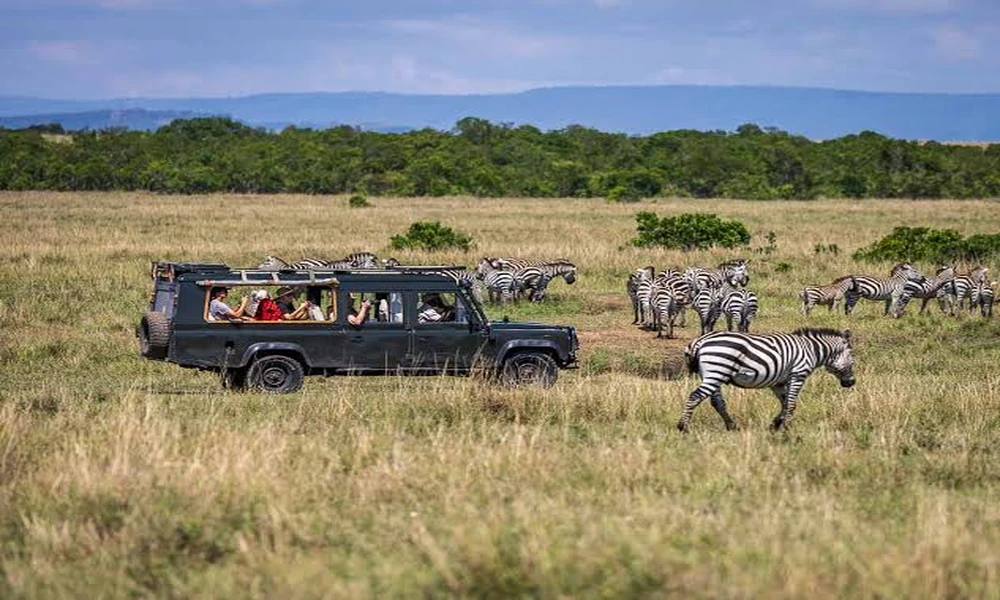
A Safari Africa adventure is one of the most unforgettable travel experiences in the world. From watching lions rest under acacia trees to seeing elephants cross open plains at sunset, an African safari connects travelers with nature in a way few journeys can match. For first-time visitors, however, planning a safari can feel overwhelming. There are many countries, parks, seasons, lodge types, budgets, and wildlife experiences to consider.
The good news is that a successful Safari Africa trip does not require expert travel knowledge. With the right planning, you can choose the best destination, travel at the right time, pack properly, and enjoy a safe, comfortable, and memorable journey. Whether your dream is to see the Big Five, witness the Great Migration, enjoy luxury safari lodges, or combine wildlife viewing with beaches, this guide will help you plan your first African safari with confidence.
Why Choose Safari Africa for Your First Wildlife Adventure?
A Safari Africa experience is special because it offers wildlife in natural habitats rather than controlled environments. Instead of seeing animals behind barriers, you may watch giraffes walking across golden savanna, hippos resting in rivers, or leopards moving silently through trees. This makes every game drive unpredictable, exciting, and deeply rewarding. No two safari days are exactly the same, which is one reason travelers often describe their first safari as life-changing.
Africa also offers incredible variety. East Africa is famous for classic savanna landscapes, the Serengeti, Maasai Mara, Ngorongoro Crater, and the Great Migration. Southern Africa offers Kruger National Park, private reserves, Botswana’s Okavango Delta, Namibia’s desert wildlife, and Zambia’s walking safaris. Each region provides a different version of the Safari Africa experience. Some destinations are ideal for first-timers because they have reliable wildlife sightings, strong tourism infrastructure, and a wide range of accommodation options.
Another reason to choose Safari Africa is flexibility. A safari can be rustic, luxurious, family-friendly, romantic, adventurous, or photography-focused. You can sleep in a tented camp, stay in a five-star lodge, travel by 4×4 vehicle, take a hot air balloon ride, or add cultural visits with local communities. Many safari routes also combine well with beach destinations such as Zanzibar, Kenya’s coast, or Cape Town. This means your first safari can be designed around your comfort level, budget, and travel goals.
Best Safari Africa Destinations for First-Time Travelers
Choosing the right destination is one of the most important parts of planning a Safari Africa trip. For many first-time travelers, Kenya and Tanzania are the most iconic choices. Kenya’s Maasai Mara is famous for big cats, open plains, and seasonal migration action, while Tanzania offers the Serengeti, Ngorongoro Crater, Tarangire, and Lake Manyara. Tanzania’s northern circuit is especially popular because it combines several major wildlife areas in one route. The Serengeti and Ngorongoro Crater are known for strong year-round wildlife viewing, while dry-season months often make animals easier to spot around water sources.
South Africa is another excellent choice for beginners. Kruger National Park and nearby private reserves offer strong infrastructure, high wildlife density, and options for different budgets. Kruger is considered a year-round safari destination, although winter is often preferred for game viewing because vegetation is thinner and animals gather near water. South Africa is also attractive because travelers can combine safari with Cape Town, the Garden Route, wine regions, and coastal scenery.
Botswana is ideal for travelers seeking a more exclusive and wilderness-focused Safari Africa experience. The Okavango Delta, Chobe National Park, and Moremi Game Reserve offer excellent wildlife, but costs can be higher than in some other countries. Namibia is better for dramatic landscapes, desert-adapted wildlife, photography, and self-drive adventures. Zambia and Zimbabwe are excellent for more adventurous travelers, especially those interested in walking safaris, Victoria Falls, and less crowded parks. For a first safari, Kenya, Tanzania, or South Africa are usually the easiest starting points because they offer dependable wildlife, experienced guides, and many tour options.
Best Time to Plan a Safari Africa Trip
The best time for Safari Africa depends on where you are going and what you want to see. In many safari regions, the dry season is considered the best time for wildlife viewing because animals gather near rivers, waterholes, and open areas. Vegetation is also thinner, making it easier to spot lions, elephants, buffalo, leopards, rhinos, and antelope. In Tanzania, June to October is widely regarded as a strong dry-season safari period, while January and February can be excellent for wildebeest calving in the southern Serengeti.
In Kenya, the long dry season from around June to October is popular for safaris, especially in the Maasai Mara. This period often overlaps with migration activity, depending on rainfall and animal movement. However, shoulder seasons can also be rewarding because parks may be less crowded and prices can be lower. In South Africa’s Kruger region, winter months are generally preferred for wildlife visibility, although the park can be visited throughout the year.
The green season, or rainy season, should not be ignored. While some roads may be more challenging and wildlife can be more spread out, landscapes are lush, birdlife is excellent, and many lodges offer better rates. Photographers often enjoy the dramatic skies and fresh colors. Therefore, the best Safari Africa season is not only about wildlife; it is also about budget, crowd levels, photography goals, and personal comfort. If this is your first safari and wildlife viewing is your top priority, choose the dry season. If you want value, fewer tourists, and beautiful scenery, consider the shoulder or green season.
How to Plan Your Safari Africa Budget and Itinerary
A Safari Africa budget depends on destination, travel season, accommodation level, park fees, transportation, and whether you choose a private or group safari. Budget safaris may use basic lodges or camping, while mid-range safaris offer comfortable tented camps and reliable guided game drives. Luxury safaris include premium lodges, private vehicles, fine dining, scenic flights, and highly personalized service. The largest costs are usually accommodation, park fees, internal flights, and guided safari services.
For a first-time Safari Africa itinerary, avoid trying to visit too many parks in a short time. A good safari is not about rushing from place to place; it is about spending enough time in wildlife areas to enjoy morning and evening game drives. A 5- to 7-day safari is a strong starting point. For example, in Tanzania, you might combine Tarangire, Ngorongoro Crater, and Serengeti. In Kenya, you could visit Nairobi, Lake Naivasha, and Maasai Mara. In South Africa, you might spend several days in Kruger or a private reserve, then add Cape Town.
Transportation also matters. Some safari routes involve long road transfers, while others use small aircraft to save time. Road safaris are usually more affordable and allow travelers to see local landscapes. Fly-in safaris cost more but reduce travel fatigue. When planning, remember that safari days start early. Morning game drives often begin before sunrise, followed by rest time, lunch, and an afternoon or evening drive. Because of this rhythm, your itinerary should include downtime. A well-paced Safari Africa trip will feel exciting but not exhausting.
What to Pack for Safari Africa
Packing correctly can make your Safari Africa trip much more comfortable. The most important rule is to choose practical clothing in neutral colors such as khaki, beige, olive, brown, and light gray. Bright colors can stand out in the bush, while dark blue and black may attract insects in some areas. Lightweight long-sleeve shirts and trousers help protect against sun, dust, and mosquitoes. Mornings and evenings can be surprisingly cold, especially during dry-season months, so bring a fleece, jacket, or warm layer.
Comfortable shoes are essential, but heavy hiking boots are not always necessary unless you are doing walking safaris. For vehicle-based safaris, closed-toe shoes or light trail shoes are usually enough. Other useful items include sunscreen, sunglasses, a wide-brim hat, insect repellent, lip balm, a reusable water bottle, and a small daypack. Binoculars are highly recommended because they allow you to enjoy birds, distant predators, and smaller wildlife. A camera with a zoom lens is helpful, but even a smartphone can capture beautiful safari memories.
Health preparation is also important. Travelers should check destination-specific vaccine and medicine guidance before departure. The CDC provides country-by-country travel health advice, including vaccine and malaria-related information for safari destinations such as Tanzania. Before your Safari Africa journey, consult a travel clinic or doctor, especially if you are visiting malaria-risk areas. Also carry personal medication, travel insurance details, and copies of important documents. Packing light is wise because small safari aircraft often have strict luggage limits, especially for soft-sided bags.
Safari Africa Safety, Etiquette, and Wildlife Viewing Tips
A Safari Africa trip is generally safe when planned with reputable operators and experienced guides. However, wildlife must always be respected. Never leave the vehicle unless your guide says it is safe. Do not shout, feed animals, stand up suddenly, or try to attract attention for photos. Wild animals may look calm, but they are unpredictable. Your guide understands animal behavior and will position the vehicle safely for viewing.
Patience is one of the most important safari skills. Some travelers expect constant dramatic sightings, but real wildlife viewing requires time. You may spend an hour watching elephants feed, wait quietly for a leopard to move, or follow tracks before finding lions. This slower pace is part of the magic of Safari Africa. Instead of chasing only the Big Five, enjoy the full ecosystem: birds, insects, trees, landscapes, tracks, and sounds. Often, the most memorable moments are unexpected.
Respect for local communities and conservation areas is equally important. Choose responsible safari operators that support conservation, employ local guides, and follow ethical wildlife practices. Avoid experiences that involve touching wild animals or unnatural interactions. A responsible Safari Africa journey protects wildlife while benefiting local people. Also remember basic travel etiquette: ask before photographing people, follow lodge rules, tip guides fairly when appropriate, and keep noise low in shared safari spaces. The more respectfully you travel, the richer your safari experience will be.
FAQs About Safari Africa
What is the best country for a first Safari Africa trip?
Kenya, Tanzania, and South Africa are among the best choices for a first Safari Africa trip. Kenya and Tanzania offer classic savanna safaris and famous parks, while South Africa provides strong infrastructure and excellent options for different budgets.
How many days do I need for Safari Africa?
A first-time Safari Africa trip should ideally be 5 to 7 days. This gives you enough time for multiple game drives without feeling rushed. If you want to combine safari with beaches or cities, plan 10 to 14 days.
Can I see the Big Five on my first African safari?
Yes, it is possible to see the Big Five: lion, leopard, elephant, buffalo, and rhino. However, sightings are never guaranteed. Parks such as Kruger, Maasai Mara, Serengeti, and Ngorongoro Crater offer strong chances.
Is Safari Africa expensive?
A Safari Africa trip can be affordable, mid-range, or luxury depending on your choices. Group tours, road transfers, and basic lodges cost less, while private vehicles, fly-in camps, and luxury lodges are more expensive.
What should I wear on Safari Africa?
Wear neutral-colored, lightweight, comfortable clothing. Bring long sleeves, trousers, a hat, sunglasses, sunscreen, insect repellent, and a warm layer for early morning game drives.
Conclusion
Planning your first Safari Africa adventure may seem complex, but it becomes easier when you focus on the essentials: destination, season, budget, itinerary, packing, and safety. Kenya and Tanzania are perfect for classic savanna landscapes, South Africa is excellent for first-time comfort and accessibility, while Botswana, Namibia, Zambia, and Zimbabwe offer more specialized safari styles.
The best Safari Africa trip is not only about seeing famous animals. It is about waking before sunrise, listening to the bush come alive, learning from expert guides, and experiencing landscapes that feel timeless. With careful planning and realistic expectations, your first African safari can become one of the most meaningful journeys of your life.