

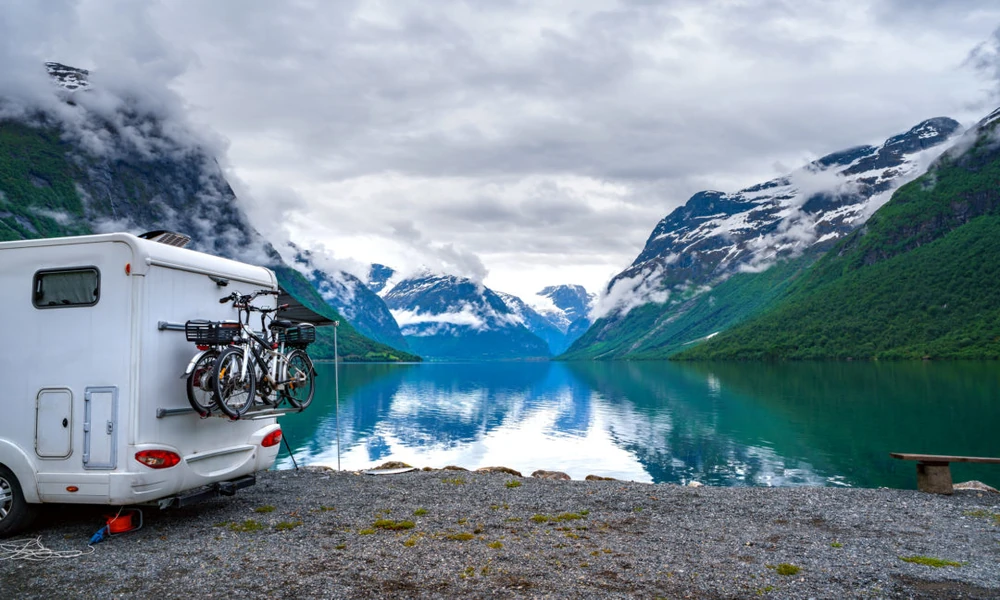
RV travel around St. George can be beautiful, but the desert climate can be tough on a vehicle. Heat, dust, long grades, and remote roads can turn small maintenance problems into trip-ending delays.
A good pre-trip check does not have to be complicated. The goal is to catch obvious trouble before you leave the park, campground, or driveway. A few minutes of inspection can help prevent towing, missed reservations, and expensive emergency repairs.
Check the Tires, Brakes, and Undercarriage
Start with the parts that keep the RV safe on the road. Check tire pressure when the tires are cold, and compare the reading to the recommended pressure for your RV. Look for cracks, bulges, uneven wear, or low tread.
Inspect the brakes if you can do so safely. Watch for grinding, pulling, soft pedal feel, or unusual smells after driving. These are signs that the braking system needs attention.
Take a slow walk around the RV and look underneath. Check for hanging wires, loose panels, dripping fluids, damaged stabilizers, or signs that something scraped the road. Small issues under the RV can become serious once you are moving at highway speed.
Inspect Fluids, Belts, and Batteries
Before leaving, check engine oil, coolant, transmission fluid, brake fluid, and power steering fluid if your RV has it. Low fluid can point to leaks or neglected maintenance. Dirty, burnt-smelling, or milky fluid should not be ignored.
Belts and hoses also deserve attention. Look for cracks, fraying, swelling, stiffness, or leaks around hose connections. Heat can speed up wear, especially in dry areas.
The battery system matters too. Make sure terminals are clean and tight. Check for corrosion, swelling, weak starts, or lights that dim when appliances turn on. If the RV has been sitting, charge the batteries before depending on them during travel.
Test Water, Power, and Appliances
An RV is both a vehicle and a small home, so comfort systems need to be checked before the next leg of the trip.
Run the water pump and check faucets, the toilet, shower, and visible plumbing connections. Watch for leaks, low pressure, pump cycling when no water is running, or unusual smells near tanks.
Test the electrical system. Check shore power cords, outlets, breakers, lights, and major appliances. If you use a generator, run it outside in a safe, ventilated area and confirm it can handle normal loads.
Air conditioning, refrigerators, water heaters, and slide-outs should be tested before leaving. These systems are much easier to address while parked than after you are already on the road.
Know When to Get Local Help
Some issues should not be pushed off. Fluid leaks, brake problems, overheating, tire damage, electrical burning smells, or battery failures should be handled before travel continues.
If you are already in the St. George area, getting the problem checked locally can save time and reduce risk. For problems that require diagnostics, parts, or hands-on repair, finding trusted RV Repair St George support can help you avoid turning a small issue into a major breakdown.
Keep a Simple Departure Routine
The best RV checks are the ones you repeat every time. Before leaving, walk the same path around the RV. Confirm doors, storage bays, awnings, steps, hoses, power cords, leveling blocks, and slide-outs are secured.
Inside, check cabinets, loose items, appliances, vents, and water connections. Make sure the refrigerator is latched, windows are closed, and nothing can fall during travel.
A simple routine makes it harder to miss something. St. George trips should be about the road, the scenery, and the destination, not preventable repair problems. With a careful inspection before departure, you give your RV a better chance of handling the miles ahead.