

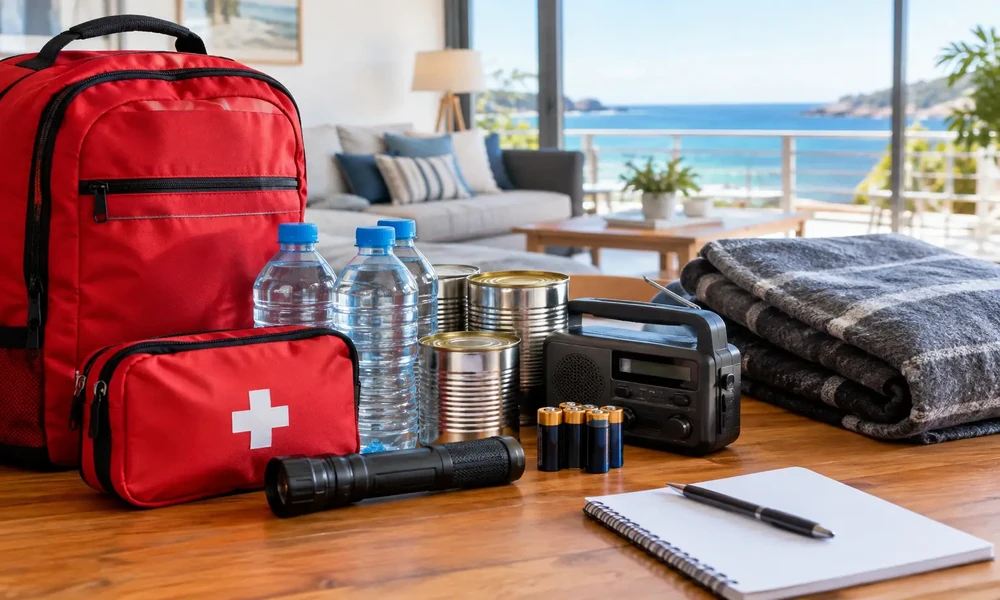
A smoke alarm at 2:00 a.m., a burst pipe during a holiday weekend, or a severe-weather alert can turn a good stay into a stressful one quickly. Vacation rental emergency preparedness, a rental property emergency plan, and a vacation rental safety checklist give hosts and guests a clear path forward when every minute and every decision matters.
For hosts, this is not only about protecting the property. It is about helping guests feel safe, reducing confusion, and making sure the right people can be reached without a long search through messages. For travelers, it offers confidence that the stay has been managed with care before they arrive.
Start With a Rental Property Emergency Plan
A useful emergency plan is short enough to use under pressure. Guests should be able to find it immediately, understand it without local knowledge, and follow it even if phone service or power is limited.
Place a printed version inside the rental in a visible location, such as near the entryway, kitchen, or guest information folder. A digital copy is helpful too, but it should not be the only option. Battery loss, weak service, or a dead phone should not prevent a guest from locating emergency instructions.
Your plan should state the property address exactly as emergency services would need it, including unit number, building name, gate code details if appropriate, and the nearest cross street or landmark. This is especially valuable for rural homes, apartment buildings, waterfront properties, and rentals with addresses that are not obvious from the road.
Include the local emergency number and explain when guests should call it. While 911 is used in the United States and Canada, emergency numbers vary in other locations. Hosts serving travelers across FeeSaverStay’s supported countries should confirm the proper local number, rather than assuming guests know it.
The plan should also identify a primary host contact and a backup contact. A backup may be a co-host, property manager, cleaner, neighbor, maintenance professional, or trusted local representative. Choose someone who can actually respond or coordinate help if you are traveling, asleep, or unavailable.
Write for the emergency, not the ideal day
Avoid long policy language during an emergency. Replace it with direct instructions. For example: “If you smell gas, leave the home immediately. Do not turn lights or appliances on or off. Call emergency services from outside, then contact the host.”
The same principle applies to fire, flooding, electrical faults, carbon monoxide alerts, severe weather, and medical emergencies. Guests need the next action first. Details about reimbursement, repairs, or house rules can wait until everyone is safe.
Build a Vacation Rental Safety Checklist Before Each Stay
A vacation rental safety checklist works best when it is part of turnover, not a document reviewed once a year. The person preparing the home should check the basics before every arrival and record any issue that needs repair.
Use this checklist as a starting point:
- Test smoke alarms and carbon monoxide alarms, replace batteries when needed, and confirm guests can hear alerts from sleeping areas.
- Check that fire extinguishers are visible, charged, accessible, and appropriate for the property size and cooking areas.
- Confirm exit doors and windows open as intended, while still maintaining reasonable security for the property.
- Inspect handrails, stair lighting, outdoor paths, decks, pools, hot tubs, and other areas where slips, falls, or access risks may arise.
- Verify that electrical outlets, cords, appliances, heaters, air conditioners, and gas equipment show no obvious damage or unsafe operation.
- Restock basic first-aid supplies, flashlights, spare batteries, bottled water where appropriate, and a phone charger or power bank.
- Check for water leaks under sinks, around toilets, near water heaters, and at exterior doors or windows after heavy rain.
- Review seasonal risks, including wildfire conditions, hurricanes, snow and ice, extreme heat, flooding, or local storm alerts.
Not every property needs the same equipment. A city apartment may need clear building evacuation instructions and elevator guidance. A remote cabin may need backup lighting, road access information, and more detailed weather preparation. A coastal property may require storm shutters or flood-response steps. The right plan depends on the home, its location, local regulations, and the risks guests are most likely to face.
Do not overlook carbon monoxide and water hazards
Carbon monoxide is odorless, and guests may not recognize its symptoms quickly. Any rental with fuel-burning appliances, fireplaces, attached garages, or other potential sources should follow applicable local requirements for carbon monoxide detection. Test devices regularly and replace them according to the manufacturer’s schedule.
Water safety also deserves specific attention. If the property has a pool, hot tub, dock, boat access, or waterfront exposure, provide straightforward rules and safety information. Explain supervision expectations for children, identify safety equipment, and make emergency access easy for responders. Do not rely on wavering or house rules to substitute for sensible safety measures.
Give Guests Clear Instructions at the Right Time
Guests are more likely to use safety information when it arrives in stages. Sending a full manual week before check-in may be necessary, but it is not enough. Most travelers are focused on arrival details, not emergency procedures.
Send a concise pre-arrival message that confirms the property address, host contact number, parking or access instructions, and the location of the emergency guide. At check-in, point out the exits, fire extinguisher, alarms, first-aid kit, and any property-specific concerns. For self-check-in homes, this can be handled with a brief welcome message and clear signage inside the rental.
Keep the language calm. Guests do not need to be alarmed by a long list of hazards, but they should never have to guess what to do. If the home has a fireplace, explain safe use. If storms can disrupt power, explain where flashlights are stored and whether water systems or gates may be affected. If the property is in a multi-unit building, identify the evacuation route and any shared-area rules.
Direct communication is especially useful when plans change. A host who receives a weather warning, road closure notice, or utility update can contact arriving guests quickly with practical information. Clear, timely communication builds trust without making promises that conditions may prevent you from keeping.
Prepare for Utilities, Damage, and Temporary Relocation
Not every emergency requires evacuation. A plumbing leak, broken air conditioner, power outage, or appliance failure may call for fast coordination instead. Your rental property emergency plan should include contact details for qualified local tradespeople, as well as instructions on how to shut off water, gas, or electricity when it is safe to do so.
Hosts should know where the main water shutoff is and label it clearly. Consider labeling the electrical panel and providing simple instructions for common problems, such as a tripped breaker. Guests should only be asked to take actions that are low-risk and easy to understand. If there is any doubt, the host should arrange professional help.
Temporary relocation can be a difficult situation, particularly during widespread weather events when alternatives are limited. Do not promise replacement accommodation you cannot confirm. Instead, explain how guests can reach you, what information you need from them, and what immediate safety steps they should take. Accurate communication is more helpful than an overly confident promise made too early.
Review Your Plan After Every Incident
An emergency plan improves when it is tested against real events. After an alarm, outage, injury report, or maintenance issue, ask practical questions: Did guests know who to contact? Were supplies easy to find? Did the backup contact respond? Was any instruction unclear?
Update the plan when you change locks, install new equipment, alter the layout, hire a new manager, or learn of new local risks. Review it at least seasonally, particularly before periods of severe weather or high occupancy.
A well-prepared rental does not promise that emergencies will never happen. It gives guests a calm, visible route to safety and gives hosts a better chance to respond with clarity when the unexpected arrives.